Login
11/11/26
Blog

Alternatives to Doubleknot: 10 options for museums and zoos

Avatar photo
Joshua Meyer
Head of Marketing, Muse Software

Doubleknot handles key museum operations (e.g., ticketing and admissions, membership and fundraising, education and group sales, event registration, point-of-sale, and CRM) for zoos, aquariums, museums, nature centers, and gardens. But as your institution grows, it’s fair to ask whether it still covers everything you need. 

When you start reaching for extra tools to fill Doubleknot’s gaps, it’s a good time to compare your options.

This guide covers Muse, an all-in-one option, plus nine single-purpose tools, each covering one of Doubleknot’s solution areas. For every option, you’ll get an overview, key features, and current pricing, with sources so you can check the details yourself.
See how much easier running your museum can be. Access our free, self-guided product tour. Click to get started.

The all-in-one alternative to Doubleknot: Muse

Muse is a cloud-based operations platform built for museums, zoos, aquariums, and other cultural institutions. It runs ticketing, membership, fundraising, programs, retail and café point-of-sale (POS), rentals, and reporting in one system. Its solutions include:
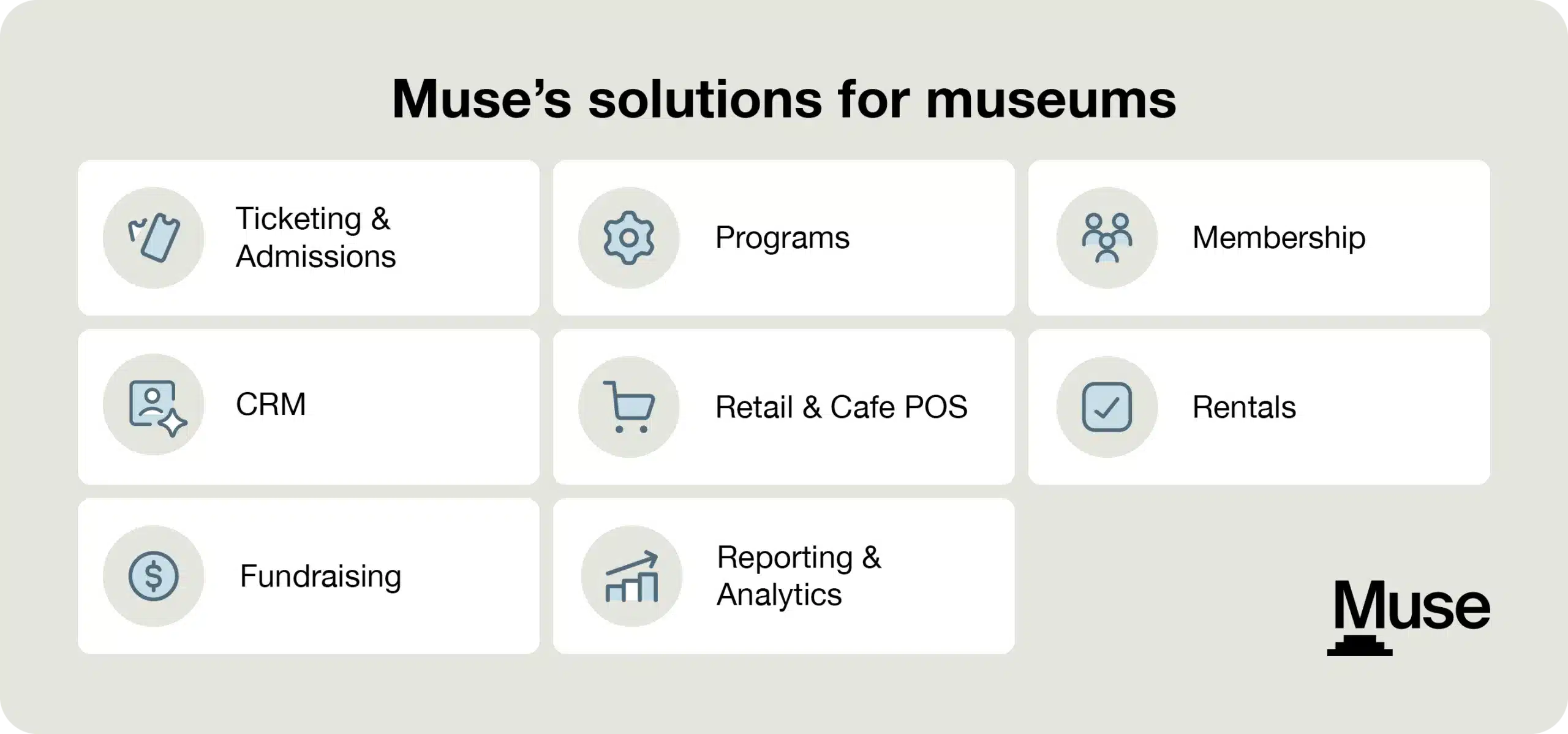
Muse’s solutions for museums, as explained below

Why institutions are switching to Muse

  • One system, one login: Ticketing, membership, fundraising, programs, retail, and rentals share a single database, so staff don’t need to reconcile data between tools.
  • Built for cultural institutions: Muse is purpose-built for museums, zoos, and aquariums, not adapted from generic business CRMs.
  • Quick to launch and learn: Muse is designed to get institutions up and running in weeks, with workflows new staff can learn in hours.
  • Reporting without spreadsheets: Reports pull ticket, membership, and donation data together, so you can spot trends like members who’ve never donated without merging exports.
  • Room to grow: Muse is built to support institutions as they add programs, locations, and revenue streams.

Muse vs. Doubleknot

Where they differ Doubleknot Muse
Fundraising pipeline Moves management offered through ClearView CRM, a separate Doubleknot product, via optional integration Moves management, pipeline and pledge tracking, lapsed-donor alerts, and donor segmentation built into the same platform
Accounting and email integrations Integrations page names ClearView CRM and Blackbaud Raiser’s Edge, plus an open API for custom integrations Pre-built integrations with QuickBooks, Financial Edge, Mailchimp, and Constant Contact
Launch and training time No timeframe publicly available Designed so staff can learn the basics in hours and get up and running in weeks

Other Doubleknot alternatives

Timed ticketing and admissions

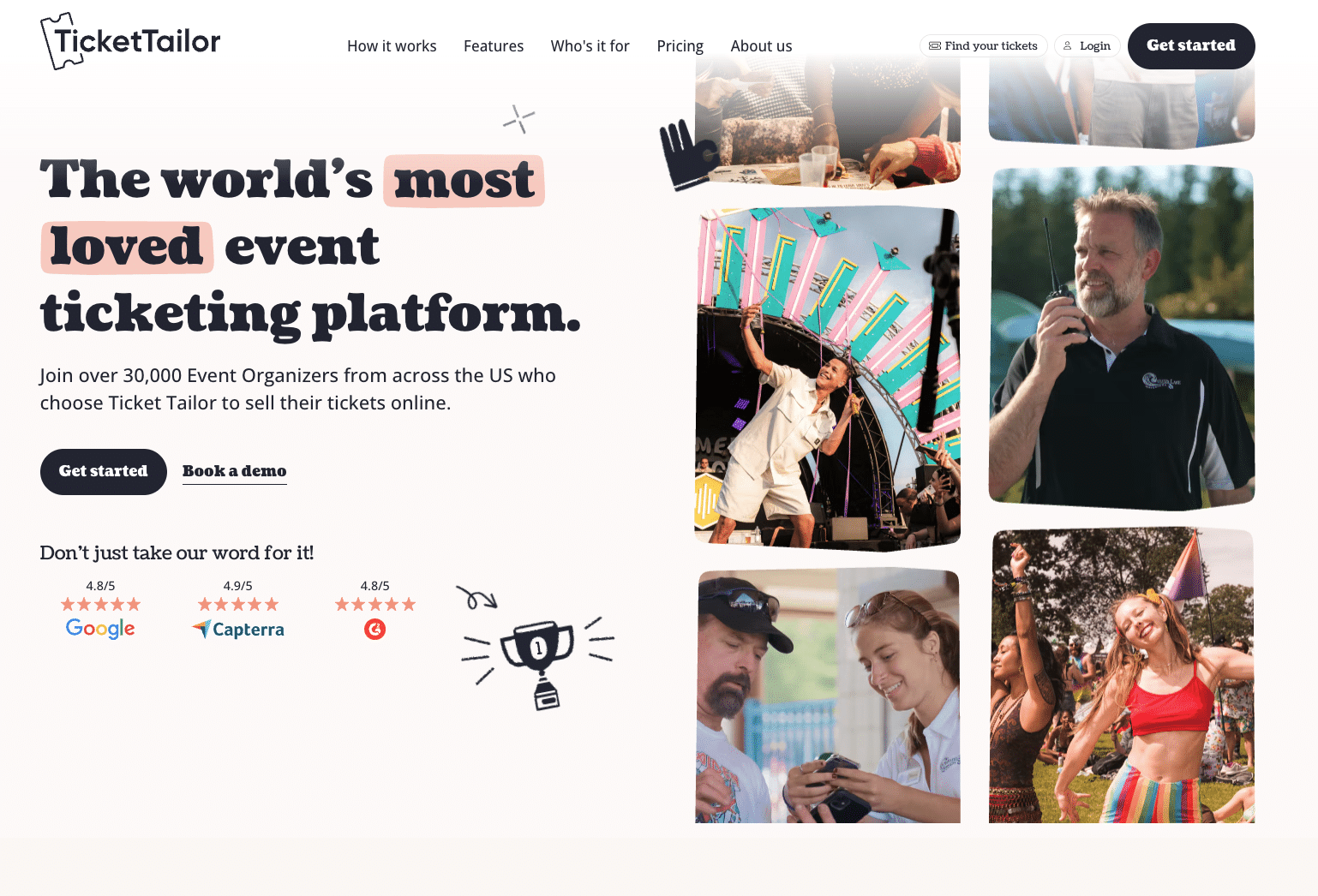
Ticket Tailor’s homepage

Ticket Tailor

Ticket Tailor is a pay-per-ticket tool that suits admissions-based organizations selling timed or open-ended event slots online.

Key features:

  • Timed entry: Offer timed slots, daily sessions, or open-ended access.
  • Demand-based pricing: Set peak and off-peak rules for price, capacity, and availability.
  • Season passes: Give frequent visitors unlimited access.
  • Offline check-in: Scan tickets with the free check-in app, even without a signal.

Pricing: Ticket Tailor charges per ticket, with no subscription. Up to 5,000 free tickets a year carry no fees, and registered charities get 50% off. Card processing through Stripe, PayPal, or Square costs extra.

Membership and fundraising

Donorbox

Donorbox homepage

Donorbox is an online giving platform designed for institutions that want donation forms and simple paid memberships on their own website.

Key features:

  • Online donations: Collect one-time and recurring gifts to designated funds by card, PayPal, Apple Pay, Google Pay, or ACH.
  • Membership tiers: Create unlimited tiers for monthly or yearly billing.
  • Member self-service: Let members update payment details, upgrade, cancel, or renew without contacting your staff.
  • Tier segmentation: See each member’s giving tier in their donor record.

Pricing: The Standard plan is free, with a 2.95% platform fee on donations and 3.95% on memberships and tickets. Pro costs $150 a month, with fees of 1.75% and 2%. Payment processing is extra, at 2.2% + 30¢ for Stripe card payments to US nonprofits.
Fundraise Up

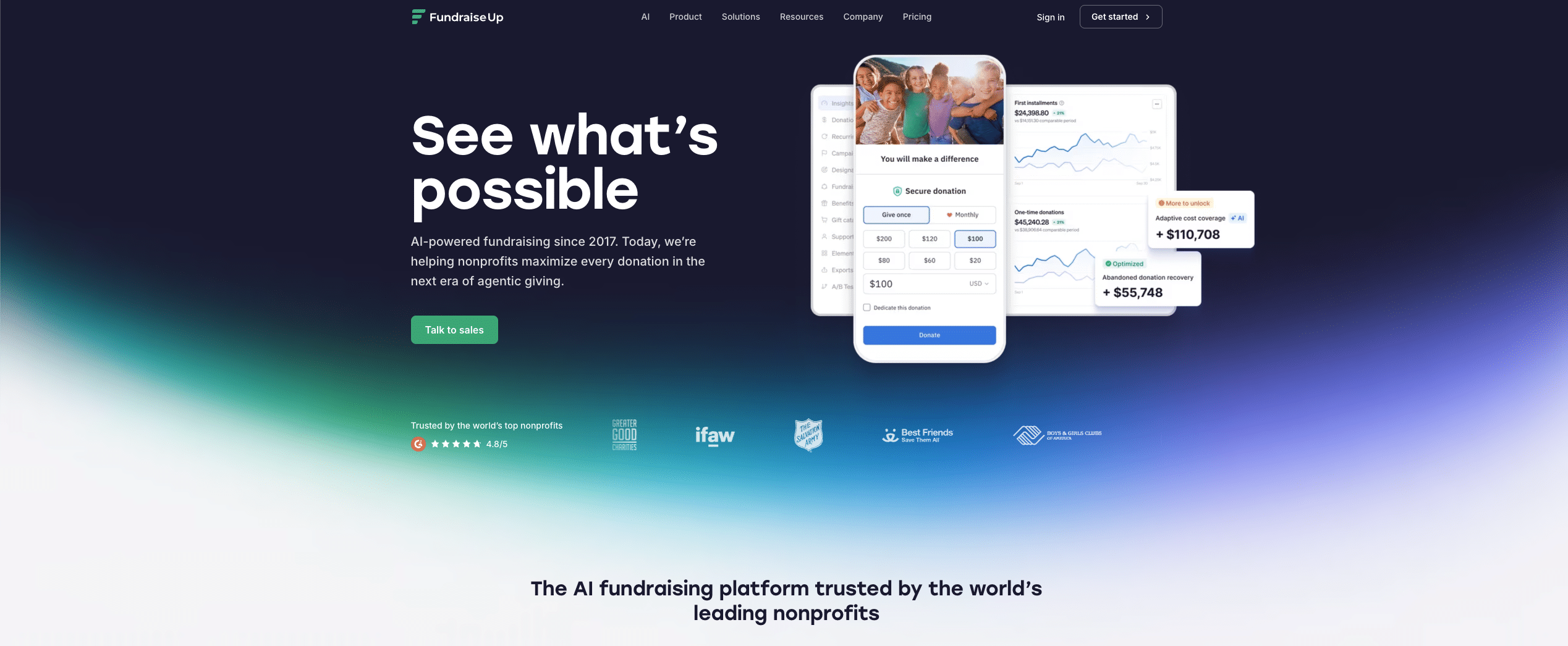
Fundraise Up's homepage

Fundraise Up is a donation platform built for larger nonprofits focused on online giving. 

Key features:

  • Donation checkout: Accept gifts on your website by card, Apple Pay, Google Pay, bank transfer, or cryptocurrency.
  • Campaign pages: Create dedicated pages for each campaign.
  • Peer-to-peer fundraising: Let supporters raise money on your behalf.
  • Donor portal: Give donors their own portal.

Pricing: Fundraise Up has no subscription, setup fees, or long-term contracts. Instead, it takes a share of the donations it processes. It says that share typically works out to about 1%, though the rate isn’t guaranteed and payment processing is separate.
Programs

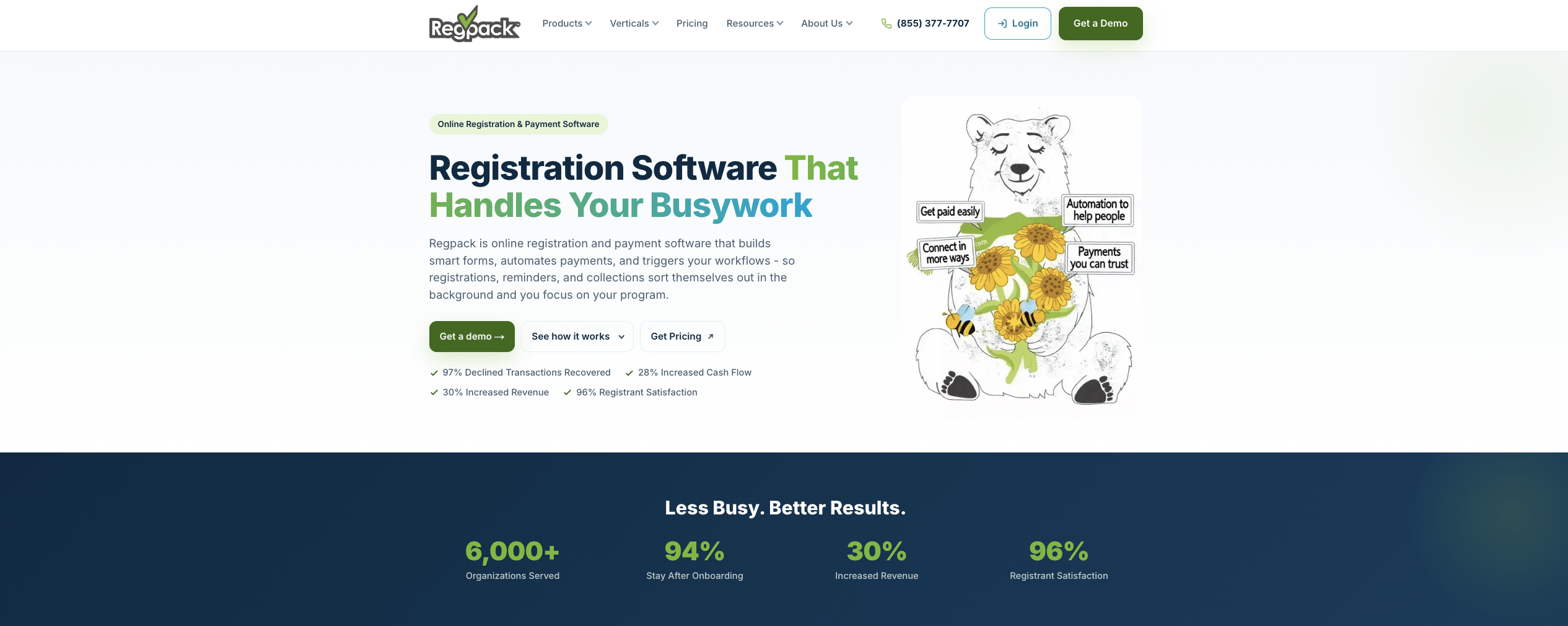
Regpack

Regpack's homepage

Regpack is registration and payment software that cultural institutions use to run camps, classes, and group trips.

Key features:

  • Complete sign-up forms: Collect waivers, medical intake, and e-signatures, with questions tailored to each family.
  • Group registration: Register groups, families, and individuals, including educational tours.
  • Flexible payments: Offer installment plans and automated billing, with card or ACH in one checkout.
  • Automated follow-up: Send confirmations and reminders automatically.

Pricing: Regpack offers 3 annual plans, all priced by quote. Payment processing starts as low as 1.5%.
Bookeo

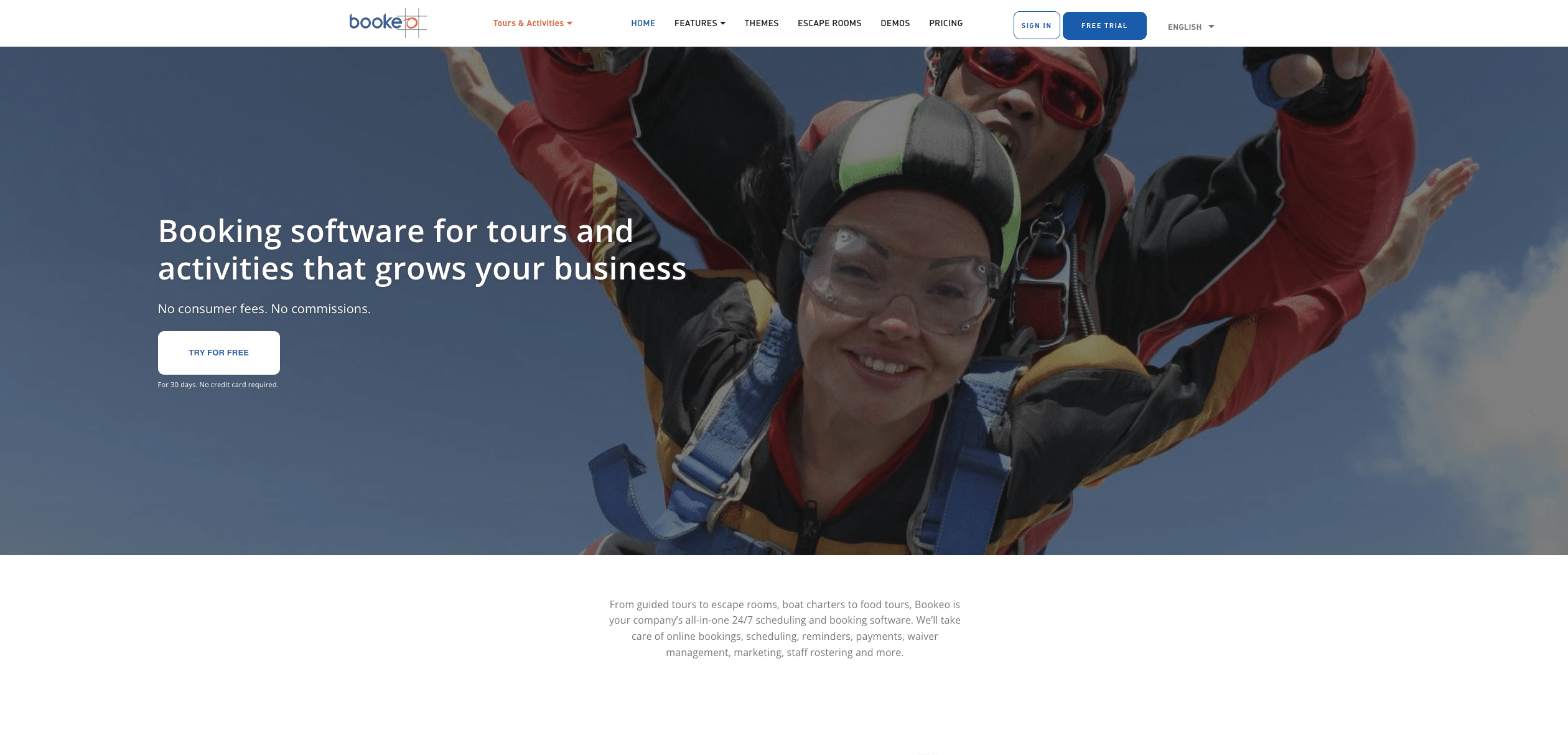
Bookeo's homepage

Bookeo is booking software for cultural institutions running guided tours and group visits.

Key features:

  • Group pricing: Set different prices for adults, children, and large groups, plus separate pricing for private tours.
  • Live capacity: Show real-time availability, cap group sizes, and add buffer time between tours.
  • Digital waivers: Collect signed waivers online, at a kiosk, or by QR code.
  • Guide scheduling: Roster staff and vehicles, and prevent double-booking a guide.

Pricing: Tours and activities plans run from $14.95 to $119.95 a month, with a 30-day free trial. 

Event registration

Eventbrite

Eventbrite homepage

Eventbrite is an event platform for institutions that sell tickets to special events such as galas, lectures, and member nights.

Key features:

  • Custom registration forms: Ask attendees the questions each event needs.
  • Mobile check-in: Scan tickets at the door with the organizer app.
  • Reserved seating: Assign seats for seated events.
  • Automatic reminders: Send event reminders and email campaigns.

Pricing: Free events cost nothing. In the US, paid tickets carry a 3.7% + $1.79 service fee per ticket, plus a 2.9% payment processing fee per order. Buyers pay these fees by default, or you can absorb them.
RSVPify

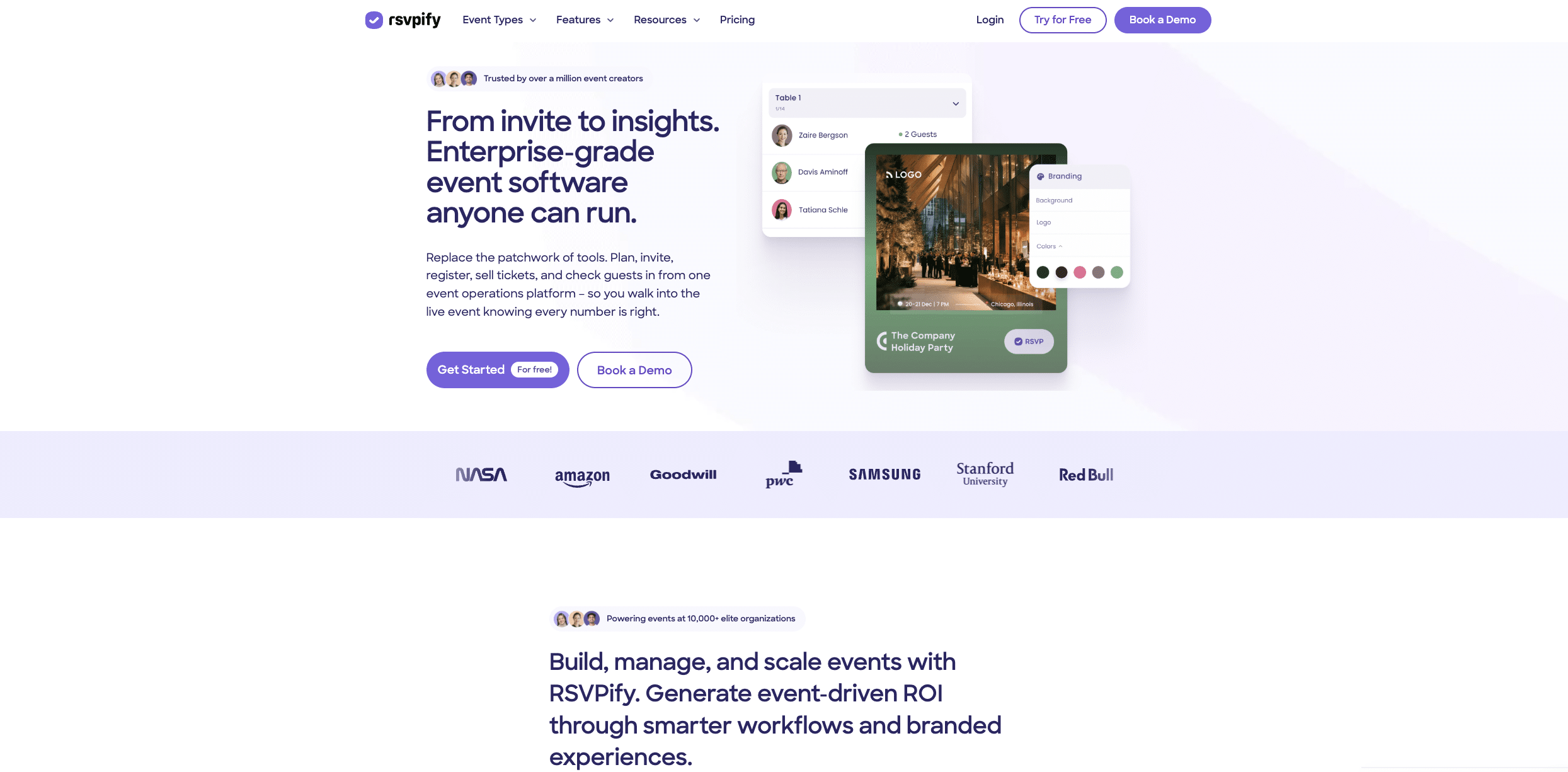
RSVPify's homepage

RSVPify is event registration and guest management software that suits galas, donor events, and invite-only member nights.

Key features:

  • Gala registration paths: Sell individual tickets, full tables, and sponsorships through tailored registration flows.
  • Table captains: Let table captains manage their own guests and seating.
  • Custom questions: Collect the guest details each event needs.
  • Event check-in: Run day-of check-in with RSVPify’s check-in tools, a premium feature.

Pricing: RSVPify offers a free plan for standard events, and Enterprise is priced by quote. Ticketed events carry a service fee of 1.95% + $0.90 per ticket, plus Stripe’s processing fees. Hosts can pass some or all of the fees on to guests.
Retail point of sale

Shopify

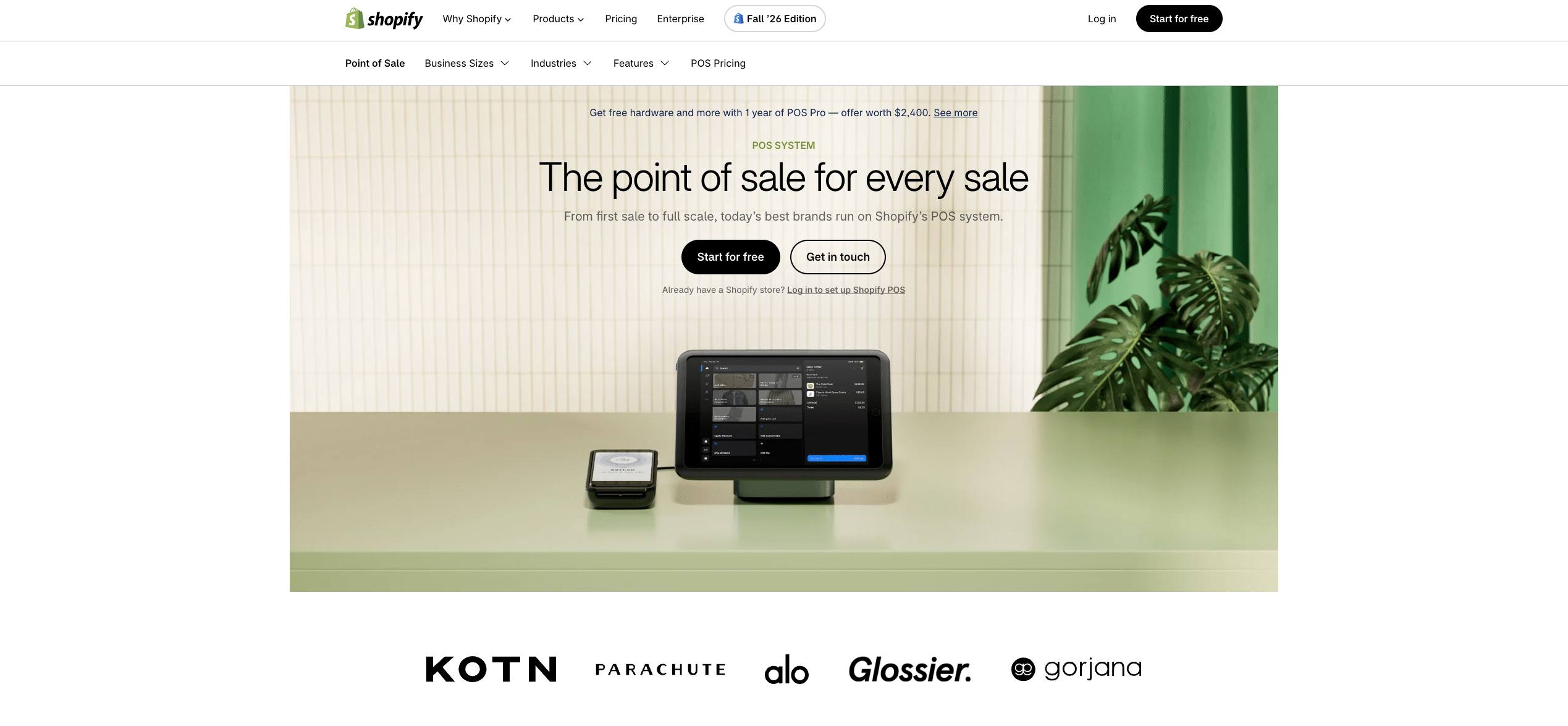
Shopify's homepage

Shopify is a retail platform suited to gift shops that want in-store and online sales from the same inventory.

Key features:

  • Real-time inventory: Sync stock across locations and online, with reorder alerts and transfers.
  • Online and in-store sales: Offer buy online, pick up in store, and ship from the store.
  • Gift cards: Sell physical and digital gift cards that work everywhere you sell.
  • Staff controls: Set staff permissions and see customer history across channels.

Pricing: POS Lite is included with every Shopify plan. POS Pro costs $89 a month per location, with a 14-day free trial, on top of a Shopify plan.
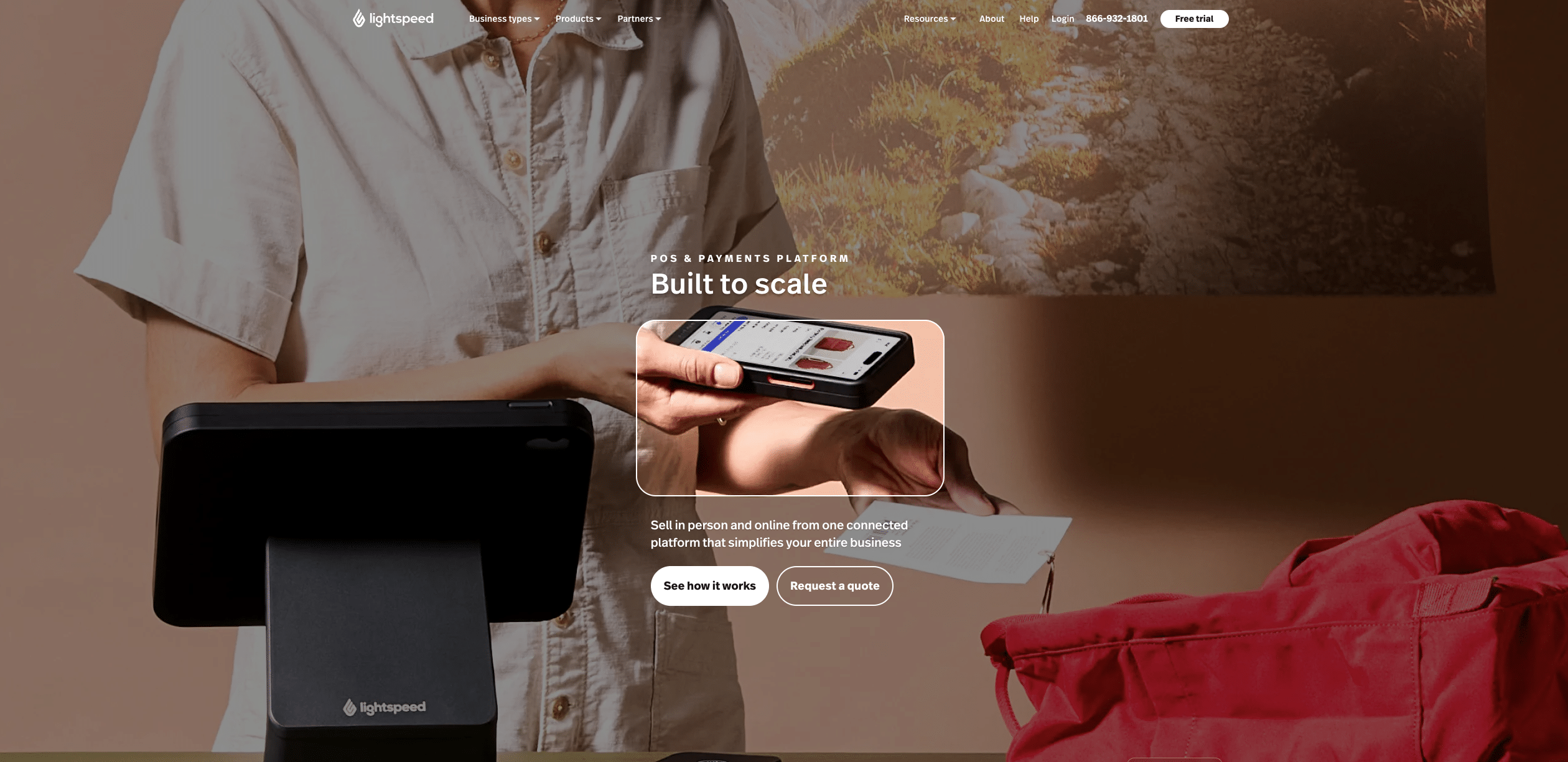
Lightspeed Retail

Lightspeed Retail Homepage

Lightspeed Retail is a retail POS that gift shops use with large inventories and an online store.

Key features:

  • Inventory management: Track stock on every plan.
  • Built-in e-commerce: Sell online with Lightspeed eCommerce, included on all plans.
  • Loyalty programs: Run in-store and online loyalty connected to customer accounts.
  • Detailed reporting: Pull sales, staff, and inventory reports, with forecasting and order recommendations.

Pricing: US plans are listed at $89, $149, and $289 a month, and annual billing saves up to 18%. Each plan includes 1 register, with extra registers and locations available as add-ons. Card-present payments through Lightspeed Payments incur a 1.5% fee.

Frequently asked questions

What is Doubleknot?

Doubleknot is cloud-based software for nonprofits and cultural organizations. It covers ticketing and admissions, membership and fundraising, education and group sales, event registration, POS, and CRM.

When does it make sense to look for a Doubleknot alternative?

If you’re adding tools to cover needs outside your Doubleknot-led tech stack, it might be time to move on. Here are some signs it’s time to switch:

  • You want cross-departmental reporting: You need reports that connect ticket sales, donations, and memberships in one place. If pulling board reports means exporting from several systems and merging spreadsheets, that’s a sign. Cross-department reporting shows you, for example, how many members also donated this year.
  • You’re adding tools around Doubleknot: Each extra system brings another login, another fee, and another set of records. Count them up, from donation forms to rental calendars. Every handoff between systems is another place records can fall out of sync.
  • You want one comprehensive record per constituent: Your front desk, gift shop, and development team should all see the same member and donor history. A member who checks in, buys a gift, and donates on the same day should appear as a single profile, not three. One record also keeps your renewal and appeal lists clean.

How do we move our data from Doubleknot to Muse?

Switching systems can feel stressful, especially when years of member and donor records are involved. Muse guides institutions through data migration as part of its implementation process, so your team can get up and running without losing the history you’ve built.

Choosing the right Doubleknot alternative

The right choice depends on how many systems your team wants to run. Single-purpose tools can each cover one Doubleknot job, but each additional tool adds another login, another fee, and another set of records. A platform like Muse keeps every job in one system as you grow.

  • List the jobs Doubleknot does for you: Note which solutions you actually use, from admissions to camps, and compare replacements against that list.
  • Add up the full cost: Combine per-ticket, platform, processing, and per-location fees across all tools before comparing them to a single quote.
  • Ask how data moves: Find out how each option brings records over from Doubleknot and who handles the conversion.
  • Plan for growth: Choose a system that covers the attendance, programs, and rentals you expect to have in five years.

Before you sign anything, run your busiest day through it. Ask each vendor to walk you through a Saturday with ticketing, camp check-in, and a member buying a gift. The option that handles that morning smoothly is the one to choose.
Additional resources

Doubleknot Alternatives Bottom Cta