

Move to Muse with Confidence
Switching museum software shouldn’t feel like a risk. Muse was built to make the transition from legacy systems to a modern, unified platform as smooth as possible.
Our process is guided, practical, and built around the way cultural institutions actually operate.
Built for a Smooth Transition
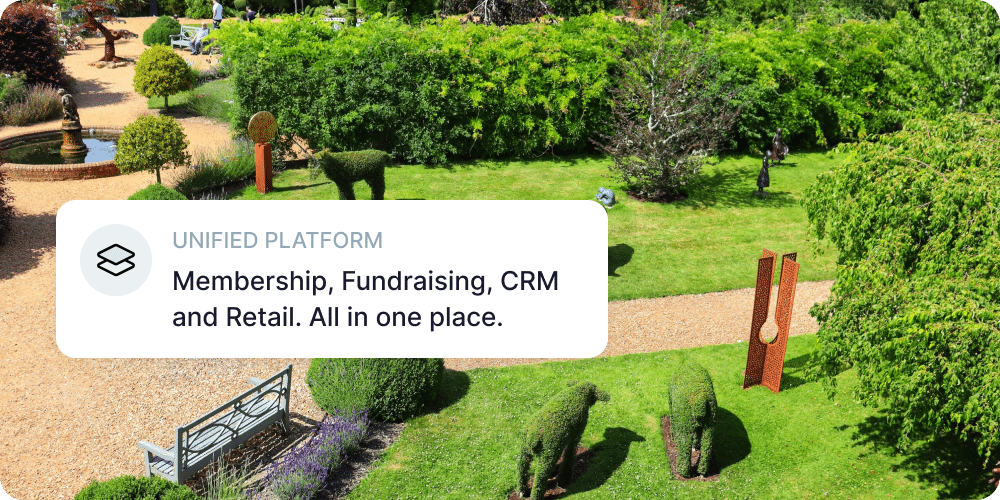
Muse brings ticketing, CRM, membership, fundraising, retail, programs, and reporting into one connected platform. But getting there matters.
We work with your team to understand your current systems, your daily workflows, and the operational details that keep your institution running. Whether you’re moving from multiple disconnected tools or replacing a legacy all-in-one system, the transition is manageable, organized, and clear.

Guided by Industry Experts
Our implementation team brings an average of 18 years of experience supporting cultural institutions through complex software transitions. We understand the operational realities behind every migration.
We know that software decisions affect admissions staff, membership teams, development officers, visitor services, retail managers, finance teams, educators, and leadership. Busy weekends, member check-ins, donor records, camp registrations, retail transactions, timed tickets, and end-of-day reporting. We’ve seen all of it.
That’s why we don’t just configure features. We help align the platform with the real work your team does every day.
A Clear Implementation Process

 1. Discovery and Planning
 1. Discovery and Planning
 We begin by understanding how your institution operates today. Together, we review your existing systems, data sources, workflows, reporting needs, and organizational priorities. From there, we develop an implementation plan tailored to your goals and processes because successful implementations are built around your institution, not a generic template.

2. Data Migration
 2. Data Migration
 Your data doesn’t start over when you move to Muse. We migrate the records your organization relies on every day, including households, constituents, biographical details, relationships, notes, interactions, memberships, donations, products, product variants, and vendors. By carefully preserving historical context and connections, we ensure your team can pick up where they left off and start realizing value from Muse on day one.

3. System Configuration
 3. System Configuration
 Muse is configured to reflect how your organization runs. Admission types, membership levels, donation categories, discounts, tax rules, user roles, payment settings, reporting views, and department-specific workflows are all tailored to your operations. The result is a platform that feels intuitive from the moment your team logs in, organized around your processes, your priorities, and the way your staff works every day.

4. Staff Training
 4. Staff Training
 Every department is set up for success before launch through tailored, role-based training. Admissions teams learn ticketing and visitor check-in, membership teams learn renewals and benefits management, development teams learn gift tracking and donor engagement, and retail and finance teams learn how transactions, payments, and reporting work together across the platform. By launch day, your staff is confident, prepared, and ready to make the most of Muse.

5. Go Live
 5. Go Live
 Launch day is a milestone, not a handoff. When it’s time to go live, our team provides human focused support to guide your staff through the transition, answer questions, and quickly address any issues. With experienced experts by your side, your organization can move forward with confidence, ensuring a go-live that is smooth, controlled, and fully supported.

Designed to Reduce Disruption
Changing systems can feel overwhelming. Muse is built to reduce that complexity.
Instead of moving each department into another disconnected tool, Muse gives your institution one platform with shared data across the visitor, member, donor, and customer journey. Fewer silos. Fewer duplicate records. Cleaner reporting. A more complete view of the people who engage with your institution.

Your History.
Your Workflows.
Your Way.
We take the time to understand how your team works, what needs to carry over, and where Muse can simplify the process. The result is a transition that respects your existing operations while giving your institution a stronger foundation going forward.
Your museum is ready. Is your software?